In This Age of Anxiety, We Need to Reconnect with the Earth

In cities made of steel and concrete, more and more people are feeling a strange kind of emptiness and exhaustion. Even though our material lives are richer than ever before, anxiety, depression, and a loss of meaning follow us like shadows. This widespread spiritual distress may not be a personal flaw, but a deep signal from the soul—a reminder that our bond with nature and with our own roots is quietly breaking apart. It is against this backdrop that the ancient wisdom of shamanism is once again entering the modern world.
The Old Definition and the New Meaning of Shamanism
Traditionally, a shaman was known as a “tribal healer” or “medicine person”—a bridge between the physical world and the spirit world. In the past, shamans entered deep meditation or trance states to draw healing energy from different spiritual realms. They conducted ceremonies, guided coming-of-age rituals, and offered physical and emotional healing for their communities. The core gift of a shaman is the ability to hold both a “practical” and a “spiritual” view at the same time, turning insights from the spirit world into real-life care and guidance.
Today, the idea of shamanism has moved beyond tribal cultures. Modern shamanic practitioners usually don’t inherit their role by blood. Instead, they gain understanding through personal experience and structured learning. This shift has turned shamanic wisdom from a closed tribal tradition into an open system of self-healing that blends with modern psychology.
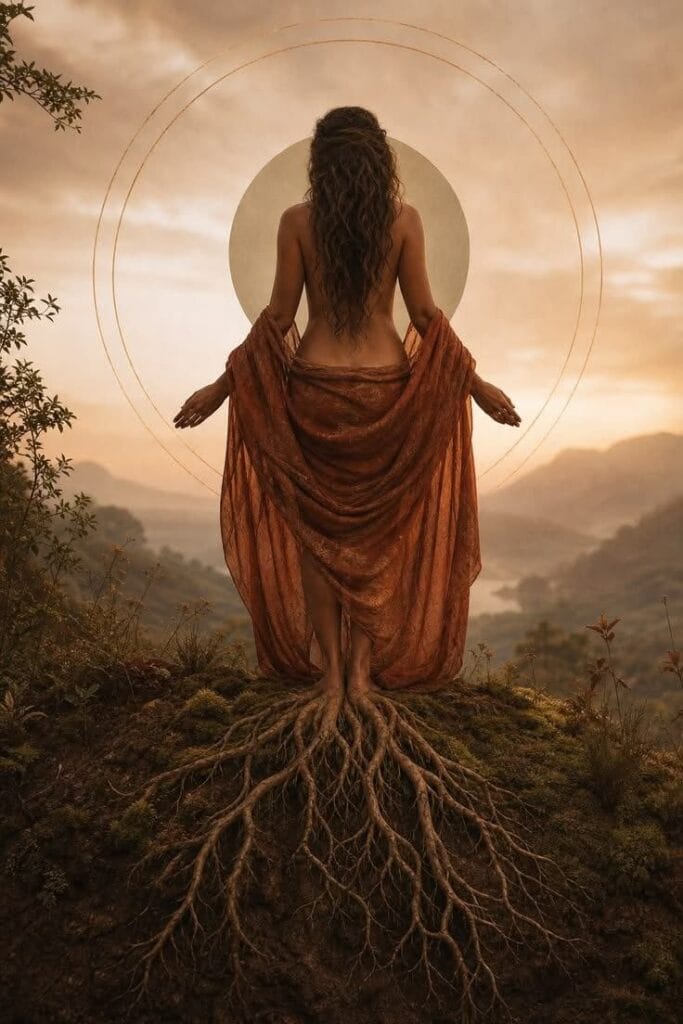
Three Paths to Awakening: Tradition, Study, and the Dark Night of the Soul
For modern people, the journey to shamanic awakening usually takes one of three forms:
The first is traditional lineage. This is the oldest way: an elder shaman in the tribe watches the younger generation, and when they spot someone with spiritual gifts, they take them on as an apprentice. After years of strict ritual training and secret teachings, the apprentice inherits the tribe’s healing mission.
The second is external study and conversion. A person feels an inner calling and devotes themselves to a specific spiritual tradition. They learn its shamanic techniques, rituals, and philosophy in a systematic way, gradually mastering the full healing knowledge. This is common in modern times—many Westerners travel to South America, Africa, or Asia to study ancient healing arts with local shamans.
The third—and the most uniquely modern—is being awakened by deep personal trauma or a psychological crisis. In shamanic culture, this is often called the “dark night of the soul.” When a person suffers a severe emotional blow, illness, loss, or long-term depression, their old life framework falls apart, forcing them into deep self-reflection. This seemingly destructive state is often the strongest call from the subconscious. It compels the person to stop, turn inward, and eventually discover their own inner healing power—hidden within, waiting to be found. This closely matches what psychology calls “post-traumatic growth”—pain itself becomes the trigger for awakening.

The Dark Night of the Soul: Turning Trauma into a New Beginning
The “dark night of the soul” isn’t just a myth. It often shows up as severe depression, anxiety, or a sudden loss of control in life. In this state, a person is forced to stop chasing external success and instead look deeply inward. As modern psychology reveals, when we are pushed to our mental limits, our usual defenses break down—and hidden potentials can emerge. Shamanic culture sees this process as the starting point of “soul awakening,” not as a pure illness.
In this state, people often feel a strong pull toward nature—a desire to touch soil, walk into the woods, or gaze at the stars. This longing isn’t about escaping reality; it’s an instinctive return. Studies show that when humans spend time in natural environments, the brain’s default mode network becomes less active, reducing overthinking and self-criticism. The “connection to the earth” that shamanism emphasizes is, at its core, a way to restore inner balance through the nourishment of the outer natural world.

Native Perception: The Shamanic Potential in Everyone
Every person is born with a shaman-like sensitivity. This isn’t some supernatural miracle—it’s the ability to be keenly aware of your own emotions, to deeply feel the essence of life, and to move fluidly between reality and the symbolic world within. This ability is especially strong in early childhood, but as we grow up and fit into society, it often gets suppressed, ignored, and eventually forgotten.
Awakening the shaman within is really about reawakening this forgotten, native perception. It’s not about mystical fantasies; it’s about learning to listen to your body again, noticing changes in nature, and recognizing the messages carried by dreams and intuition. Through this reawakening, we can regain the instinctive ability to empathize with all living things—and build a more complete, healthier connection between mind and body.
Two Kinds of Balance: Blending Modern Life with Ancient Wisdom
In this age of information overload and frantic pace, humans need the wisdom of inner balance more than ever. Shamanic culture never encourages people to escape reality or disconnect from society. Instead, it teaches a “dual survival ability”—to function smoothly within the logic of modern civilization, while staying sensitive to our inner rhythms and the pulse of nature.
The shamanic path is about learning to walk gracefully between two worlds—one foot on solid ground, the other on the spiritual path. This ability isn’t reserved for the extraordinary; it’s a life skill that every modern person can cultivate. When we learn to step away from our screens at the right moments—to walk on the earth, feel the sunlight, and sync with nature’s rhythms—our nervous systems can finally find true rest and repair. In that moment, you’ll realize: the wisdom of the shaman is no distant legend. It’s already in your blood and bones—just waiting to be awakened.
Reference:
- Charman, R. (2023). Crystal shamanism: Sacred earth medicine healings. Rockpool Publishing.
- Ingerman, S. (2016). Soul retrieval: Mending the fragmented self. Sounds True.
- Myss, C. (2001). Sacred contracts: Awakening your divine potential. Harmony Books.

